Choosing hair colour when your skin looks pink or red can turn into an argument between rules: cool brown to quiet the warmth, golden blonde to soften it, copper because you love it. A more useful approach is to separate everyday skin colour from temporary flushing, then compare a few realistic hair shades beside your face.
When red cheeks seem to change your undertone
Redness at the surface and an underlying pink impression are not interchangeable. Cheeks can become red after exercise, heat or irritation while the neck and chest look quite different. That makes a single photograph a poor basis for a permanent colour choice. Compare your face on an ordinary day, in indirect daylight, and look beyond the reddest patch. Hair colour can change the visual contrast around the face; it does not treat skin redness.
If the redness is new, uncomfortable or persistent, deal with that as a skin concern rather than trying to correct it through dye. For the colour decision, take two reference photographs in similar light on different days. Keep makeup, camera exposure and the colour of your top consistent. You are looking for a repeatable preference, not the one image where a filter has smoothed away all texture and pink.
A red undertone label also says little about depth or contrast. Someone with very fair skin and light brows may want a soft frame, while someone with deeper skin and dark eyes may prefer a rich brunette. Neither needs to begin with a blanket ban on warm hair. The first useful question is which shades make the face look balanced to you under normal conditions.
If you want brown hair without making the pink feel louder
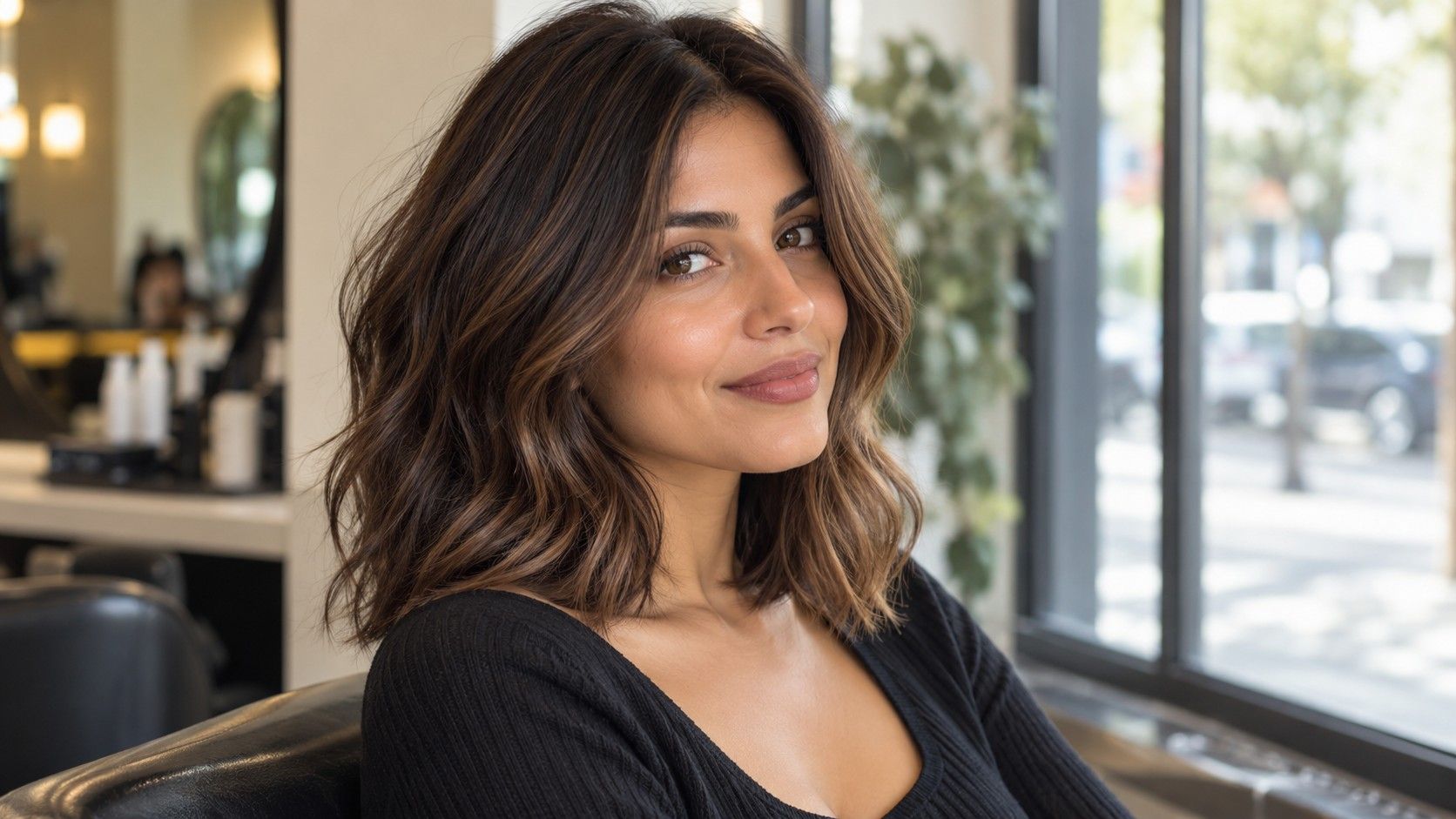
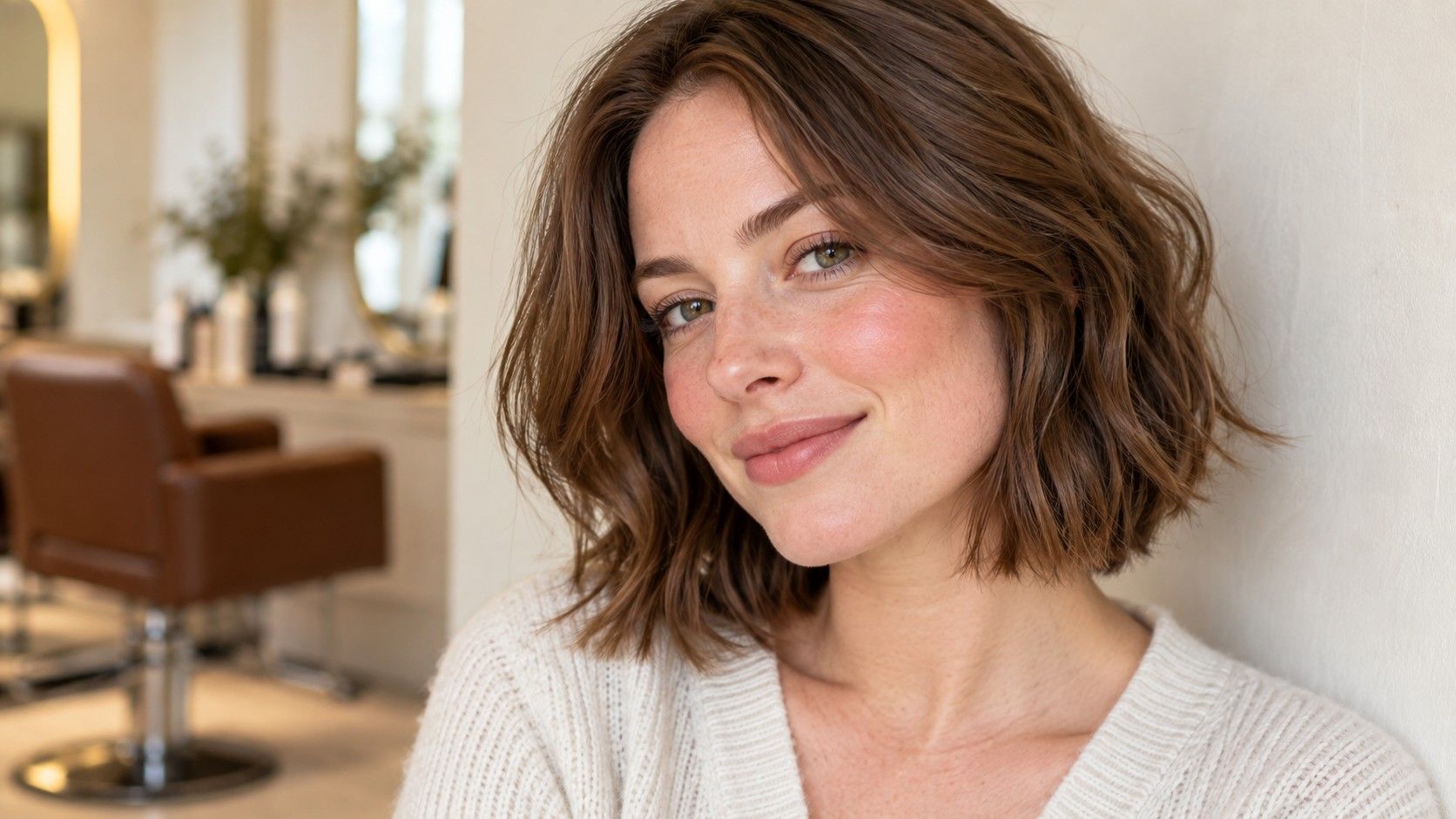
Put neutral brown, cooler brown and warm chestnut references beside one another at roughly the same depth. The best hair color for red undertone skin is unlikely to be found by comparing a pale ash blonde with a near-black copper brunette: too many things change at once. A neutral medium brown provides a useful middle point. From there, decide whether a little ash looks calmer or simply makes the complexion appear greyer.
Cooler brown can be appealing when orange reflections feel busy around a pink face. Yet an extremely flat or grey tone may exaggerate a tired impression, especially under cool indoor lighting. Look at the skin around the mouth and under the eyes as well as the cheeks. If the cheeks appear quieter but the rest of the face looks washed out, try a neutral shade with less grey rather than assuming the coolest option must be best.
Chocolate and mocha are not precise technical descriptions. Ask the colourist to point out the red, gold or ash in the actual swatch they propose. Then discuss how that tone is likely to behave on your current hair. Existing highlights, old box dye and natural roots can all take colour differently, so the same named brown may not produce a uniform result across the head.
When blonde is the goal, compare softness before iciness
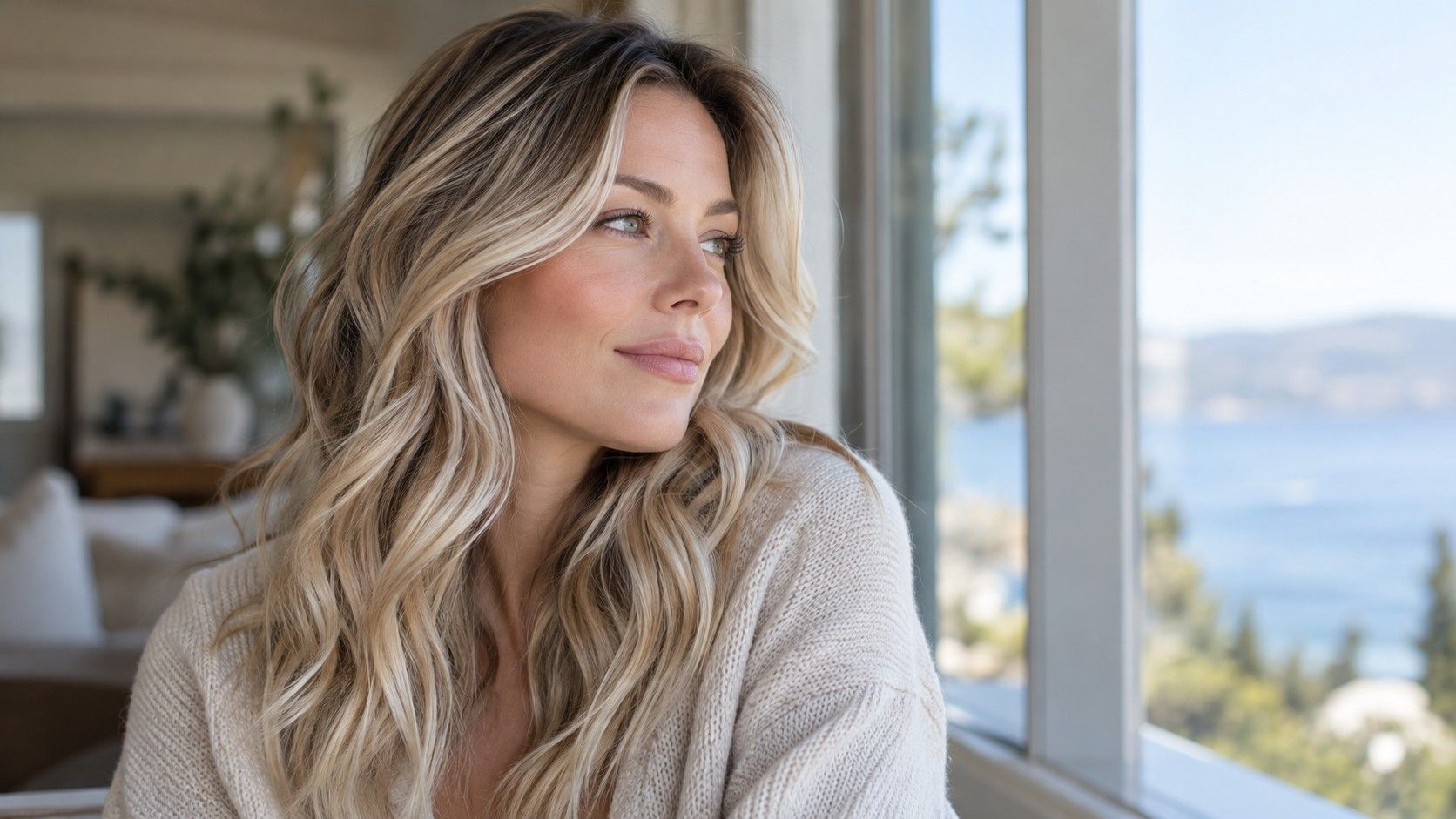
An icy blonde may look striking beside pink skin, but its appeal often depends as much on contrast and styling as on undertone. Compare it with a neutral beige blonde and a softer warm blonde at a similar depth. Watch the area beside the temples and eyebrows. Do you like the crisp difference between hair and skin, or do you prefer a gentler transition? There is no requirement for the hair to visually erase every trace of pink.
Photographs of platinum hair often have bright light, styled waves and carefully balanced makeup. For a realistic reference, find an image with visible roots and everyday lighting. If your natural base is dark, ask how much lightening is involved and whether the condition of the lengths supports it. A tone you like in a digital preview is only one part of the decision; achieving and maintaining that depth is another.
Face-framing placement lets you compare a brighter effect without making every strand equally light. It can also put the palest hair directly against the most flushed part of the face, which you may or may not enjoy. Bring a reference showing where the brightness begins. Softness around the hairline, a deeper root and bright ends each create a different frame even when the blonde itself is similar.
If copper is your favourite, test the amount of red
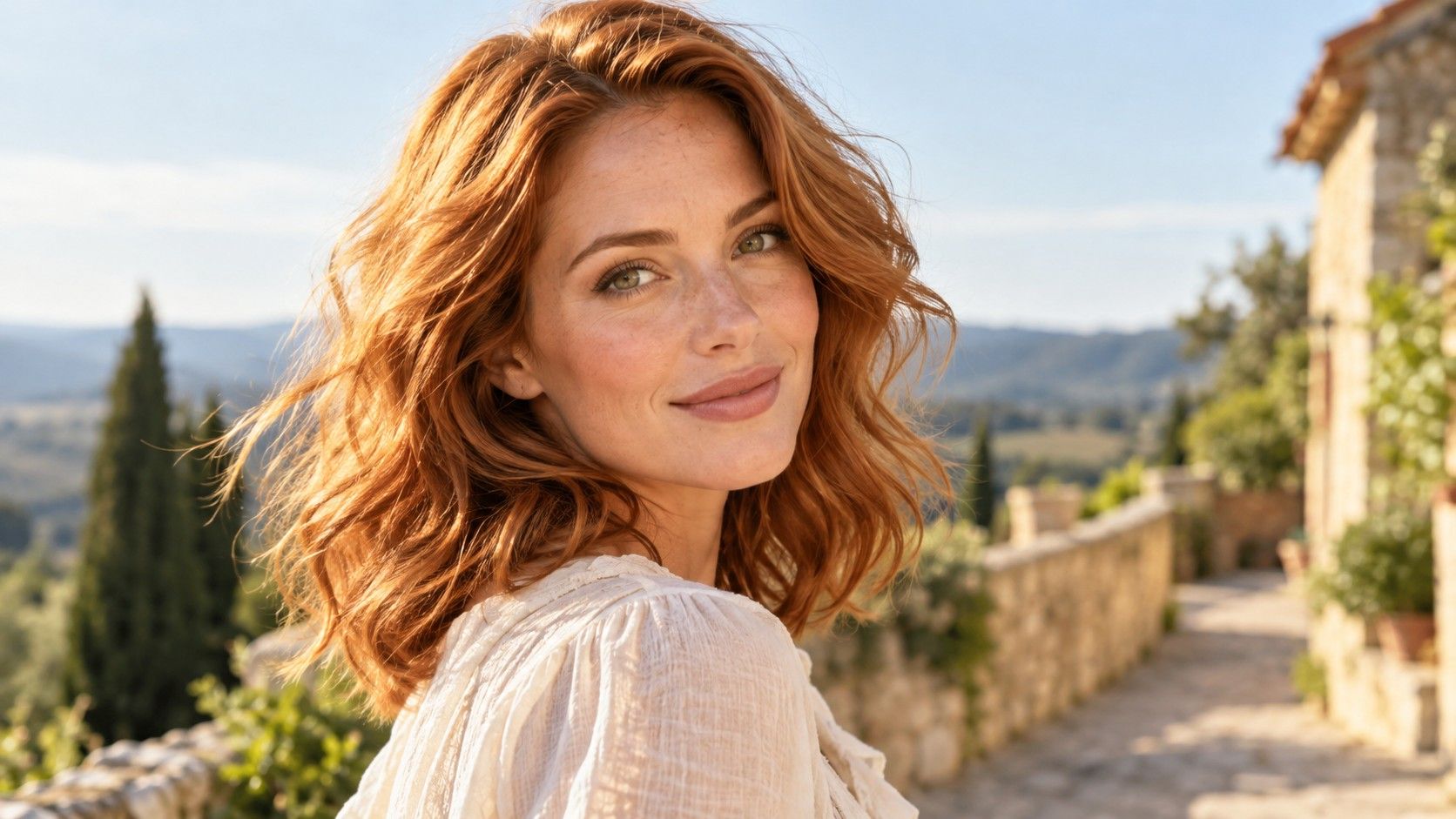
A pink complexion does not automatically rule out copper, auburn or strawberry blonde. Some people enjoy the related warmth; others find it makes cheek redness feel more obvious. Compare a muted auburn with a brighter orange-copper before choosing between red and no red. Saturation matters. A soft brown base with a copper reflection can read quite differently from a vivid solid copper at the same apparent depth.
Use a real swatch, a wig or a careful digital preview to judge the general colour family. Hold the reference near the jaw and step back from the mirror. Assess it with the clothes you wear often, particularly a coat or work top that sits close to the face. If a bright copper only feels right with a makeup routine you rarely use, a softer version may suit your daily life better.
Ask how the warm shade will fade and what the next change would involve if you dislike it. Do not assume a red tone will wash out neatly because it is described as temporary. Porous lightened ends may hold some pigments unevenly. A strand test and an honest discussion of colour history are more useful than a promise that any experiment is easy to reverse.
When very dark hair makes the skin look paler
Dark brown and black create a clear border around the face. That can make pale or pink skin look more luminous, but it may also make redness stand out through contrast. Check a dark reference with your hair pulled away from the cheeks and then with a full frame around them. The haircut changes how much of that border you see. A dense fringe is a bigger commitment to contrast than a few dark strands behind the ears.
Before choosing black, compare a deep neutral brown. It may give enough definition while leaving a little softness in daylight. If the brows are much lighter than the proposed hair, decide whether you enjoy that separation as it is. You should not need to plan a series of additional cosmetic changes just to make the initial shade feel acceptable. Look at the entire face rather than concentrating on the red area alone.
Regrowth deserves a close look too. Lighter roots against dark colour can create a visible line, while returning from a very dark dyed base to a lighter shade may take more work than expected. Ask about the realistic route back toward your natural depth before a major darkening service. A favourite photograph gives you a destination; the consultation should explain the route and its limits.
At the consultation, ask for a comparison you can actually judge
Keep the final shortlist to two or three options with a clear reason for each: neutral brown for a quieter frame, beige blonde for softness, muted auburn for warmth you actively enjoy. Bring one disliked reference as well. “This is too orange beside my cheeks” or “this grey looks dull around my mouth” gives a colourist a practical starting point. A vague request to cancel redness can mean several different things.
Share recent colour services, any lightening on the lengths and the products you use to change tone at home. Ask whether a strand test is appropriate, and follow the salon or product directions for allergy precautions. There is no sensible universal formula based only on a complexion description. The proposed service needs to account for hair condition, existing pigment and how much maintenance you want.
Finally, agree on how you will evaluate the result. Look in daylight as well as salon light, and give yourself room to adjust to a new frame around the face. Take a plain photograph without a beauty filter for future reference. The aim is a hair colour you like on an ordinary morning, with the amount of pink your skin naturally shows, rather than a shade chosen to solve an unreliable undertone test.