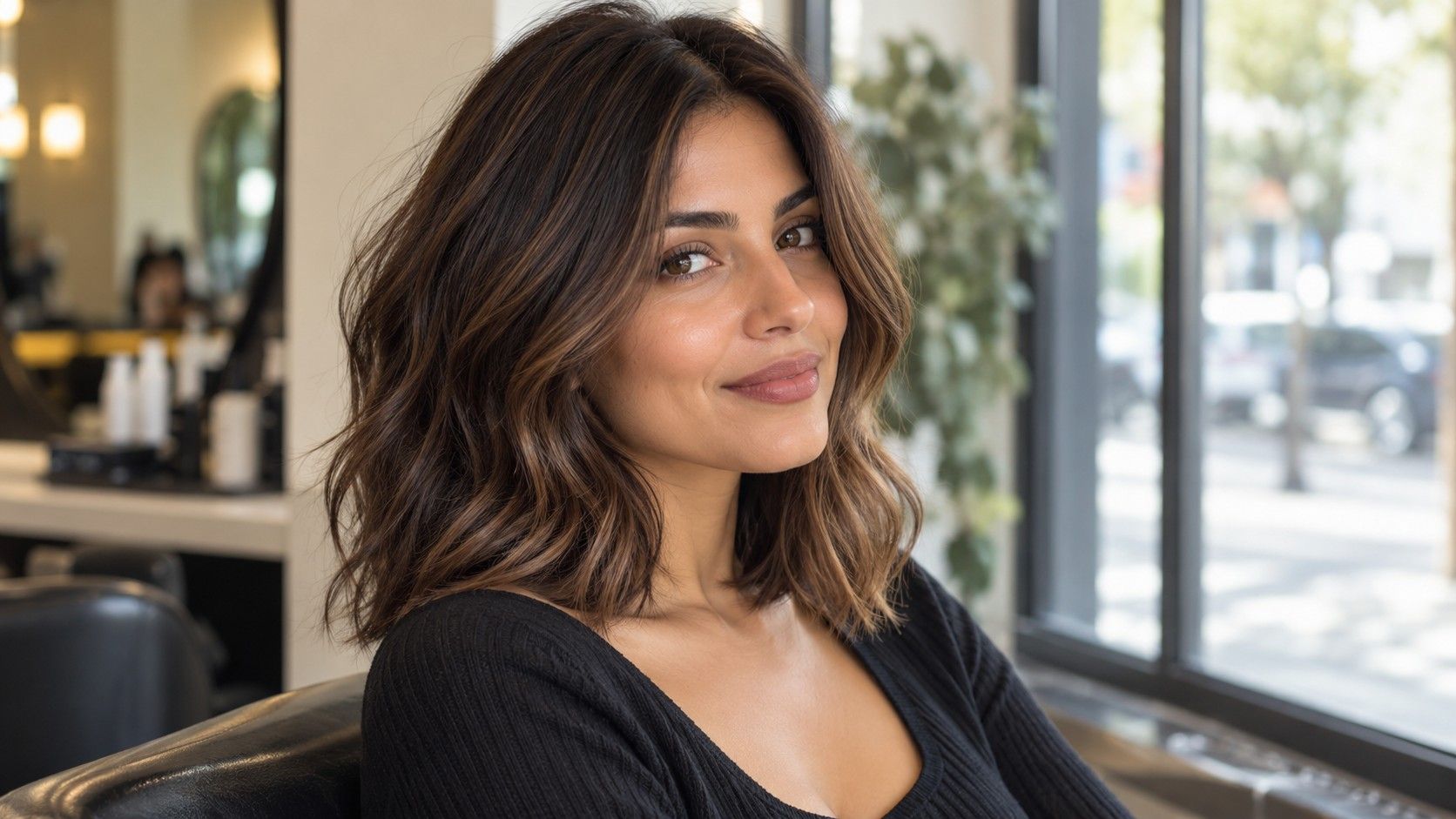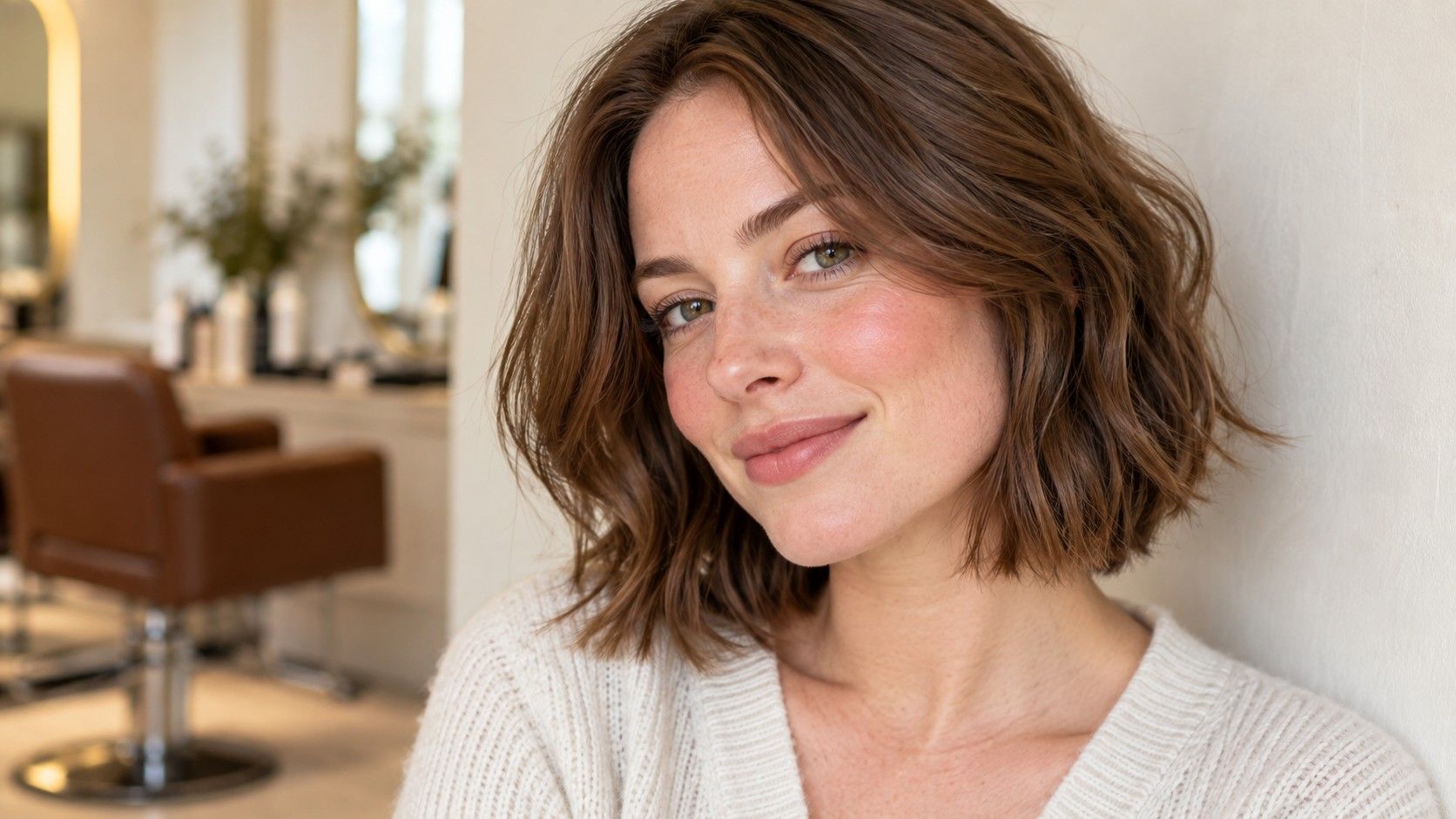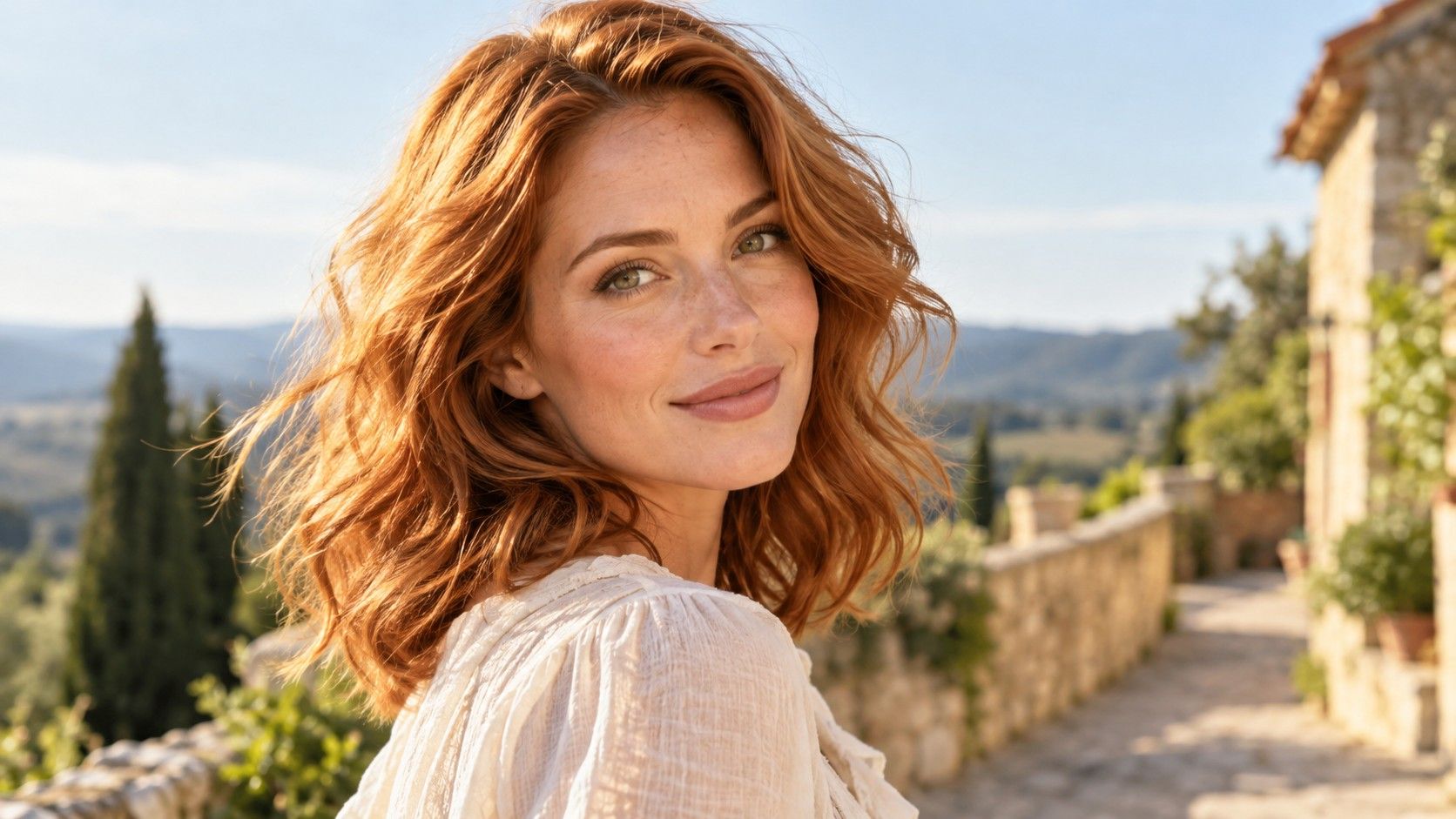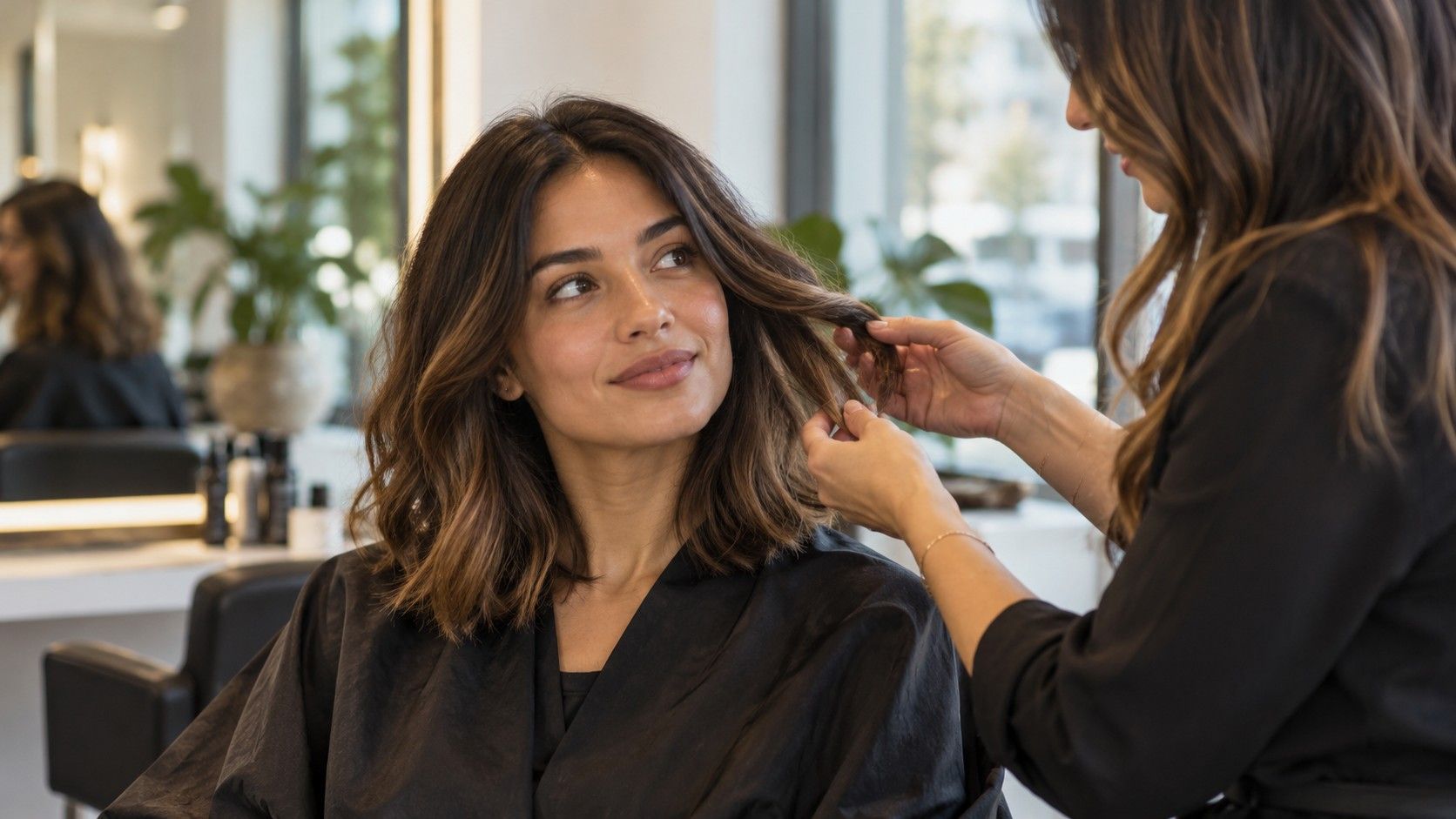
Neutral olive skin can make hair-colour advice feel oddly unhelpful: a warm reference looks promising, a cool one does too, and neither label explains why. Treat that flexibility as room to compare. Start with a neutral shade near your natural depth, then test a softer warm direction and a restrained cool one under the same light.
When both warm and cool examples seem plausible
Neutral is a description of balance, not a promise that every colour will look equally good. Olive skin may have a muted or greenish impression while appearing neither strongly golden nor strongly pink. Hair depth, saturation, eyebrows and your preferred makeup still affect the result. It is perfectly possible to like warm brown at one depth and dislike warm blonde at another. That does not invalidate the original observation about your skin.
Choose references that make a fair comparison. Three pictures with similar hair length, styling and lighting are more useful than three celebrity portraits with different makeup. If the neutral brown is photographed indoors and the caramel is backlit in sunshine, you are comparing photographic effects as well as colour. Look for the less glamorous second view: roots visible, hair straight or loosely arranged, face in ordinary light.
The aim is to discover a preference you can repeat. Check the references near your face on two normal days, and note what changes. If a colour only works when you are wearing bronzer, record that. It may still be a colour you want, but the decision should include the routine that makes you like it. A neutral undertone does not remove the practical details.
Build a neutral reference before making the colour warmer
A neutral medium brown or dark blonde can act as your comparison point, depending on the starting depth. It should have enough colour to look like hair rather than a grey filter, without obvious copper or intense gold. The name on the swatch is less useful than its appearance. Ask the colourist what they mean by neutral and compare it with the actual hair beside your jaw.
Keep the reference close to your roots if you want to understand tone before committing to a large change. A move from dark brown to very light blonde changes contrast so dramatically that the warm-versus-cool question becomes harder to isolate. Once you know whether you like a quieter or richer frame, you can explore a bigger depth change with a clearer idea of what you want to preserve.
Neutral hair color for neutral olive skin tone is a starting direction rather than a mandatory final answer. You may find it balanced but a little dull, which is useful information. Say what is missing: brightness around the eyes, warmth in the ends, or definition at the hairline. Those observations can guide a small adjustment more effectively than asking to be made warmer or cooler everywhere.
Try gentle warmth if grey tones leave the face subdued
If taupe or strongly ashy references make the complexion look flat, test a muted golden-brown, beige blonde or soft chestnut at a comparable depth. Look for a small increase in warmth first. A copper-heavy brunette and a subtly warm brunette can have very different effects, even though both appear in searches for warm hair. The quieter option is often easier to evaluate because it does not change the whole impression at once.
Watch the transition at the temples. Does the warmth make the face feel lively, or does it add a yellow or orange reflection you dislike? Then look away from the mirror for a moment and return to the whole face. Staring at one patch of skin can make every colour seem wrong eventually. You are choosing an overall relationship between hair and face, not matching the hair to a single undertone.
Warmth can also be placed selectively. A neutral base with soft warm pieces through the mid-lengths offers a different effect from golden highlights starting at the forehead. If the base feels right but the face frame is too yellow, placement may be the issue. Show the colourist a photograph of the exact area you want changed rather than discarding the entire colour family.
Try restrained coolness if warm hair feels too bright
Cool does not have to mean silver, blue-black or a visibly grey blonde. A brown with less red, or a blonde with a quieter beige tone, can move the impression cooler without becoming dramatic. Compare these restrained options before choosing the most ashy reference on the screen. On muted olive skin, a strong grey cast can look harmonious to one person and draining to another.
Examine the cool shade in indoor light as well as at the window. Some colours that look softly smoky outdoors appear darker or flatter beneath office lighting. Keep your usual work clothes in the comparison, particularly colours worn near the neck. A black jacket can make a soft brunette look richer, while a pale grey top may emphasise how muted it is. These are everyday styling effects worth seeing before the appointment.
Previous colour may limit how cool the result can appear in one visit. Warm reflections in dyed lengths or unevenly lightened ends cannot be assessed through a skin-tone label. Ask for a strand test when the colourist thinks it will clarify the result. It should help establish what is achievable on your hair, not serve as a promise that a reference photograph can be copied exactly.
Choose contrast separately from your undertone
Neutral olive skin can be light, medium or deep. Neutral describes a colour balance; it does not mean low contrast or medium skin depth. For that reason, a soft dark blonde and deep espresso are not competing answers to the same narrow problem. They create different frames around the face. Decide whether you want the hair to blend quietly with your features or supply a sharper outline.
Use the eyebrows and eyes as reference points without treating them as rigid limits. Dark brows can make a deep brown feel connected, but a lighter hair colour may be an intentional contrast you enjoy. Hold the reference near the hairline and step back to the distance at which someone would normally speak to you. Tight selfies tend to hide the overall frame, especially when long hair fills the edges of the image.
If a solid colour feels too strong, consider a softer transition at the front or dimension through the lengths. Bright pieces are not automatically softer, though. A pale stripe beside the face can create more contrast than a uniform medium shade. Ask to compare placement as well as shade, and bring references with a similar haircut so you can judge the likely shape of the result.
Turn the comparison into a service you can maintain
Your finished shortlist should include a neutral baseline, one warm variation and one cooler variation only if all three remain convincing. Write a short reason under each picture. “Like the soft front, dislike the orange ends” gives the colourist something concrete to work with. Also bring a current photograph taken without a filter, showing the roots and the full length. Good reference pictures cannot substitute for an accurate view of the starting hair.
Discuss old dye, lightening and home colour products before settling on a service. Ask what the shade is likely to look like after several washes and what type of upkeep it needs. A very delicate cool tone may require more attention than you want, while a warmer result may remain wearable as it changes. The useful question is whether you like the expected progression, not merely the fresh finish.
Follow the salon or product instructions for allergy precautions and let the colourist assess hair condition. A small tonal shift may be a sensible first step when your preferences are close. If both warmth and coolness work, there is no hidden test you must pass to find the correct side. Choose the depth, placement and fading pattern that fit your life, then keep the comparison photographs for the next decision.