Summer hair colors with highlights can mean two different things: a lighter look for the warmer months, or a color idea drawn from a Summer seasonal palette. Neither meaning requires the same blonde on every head. The useful question is where you want the lightness to show when your hair is moving, tied back or drying without a salon finish. I would choose the placement first, then narrow the tone and depth. That approach works whether you want warm caramel through brown hair, a cooler blonde blend or a little brighter copper for the season.
When you want a summer change without losing your base color
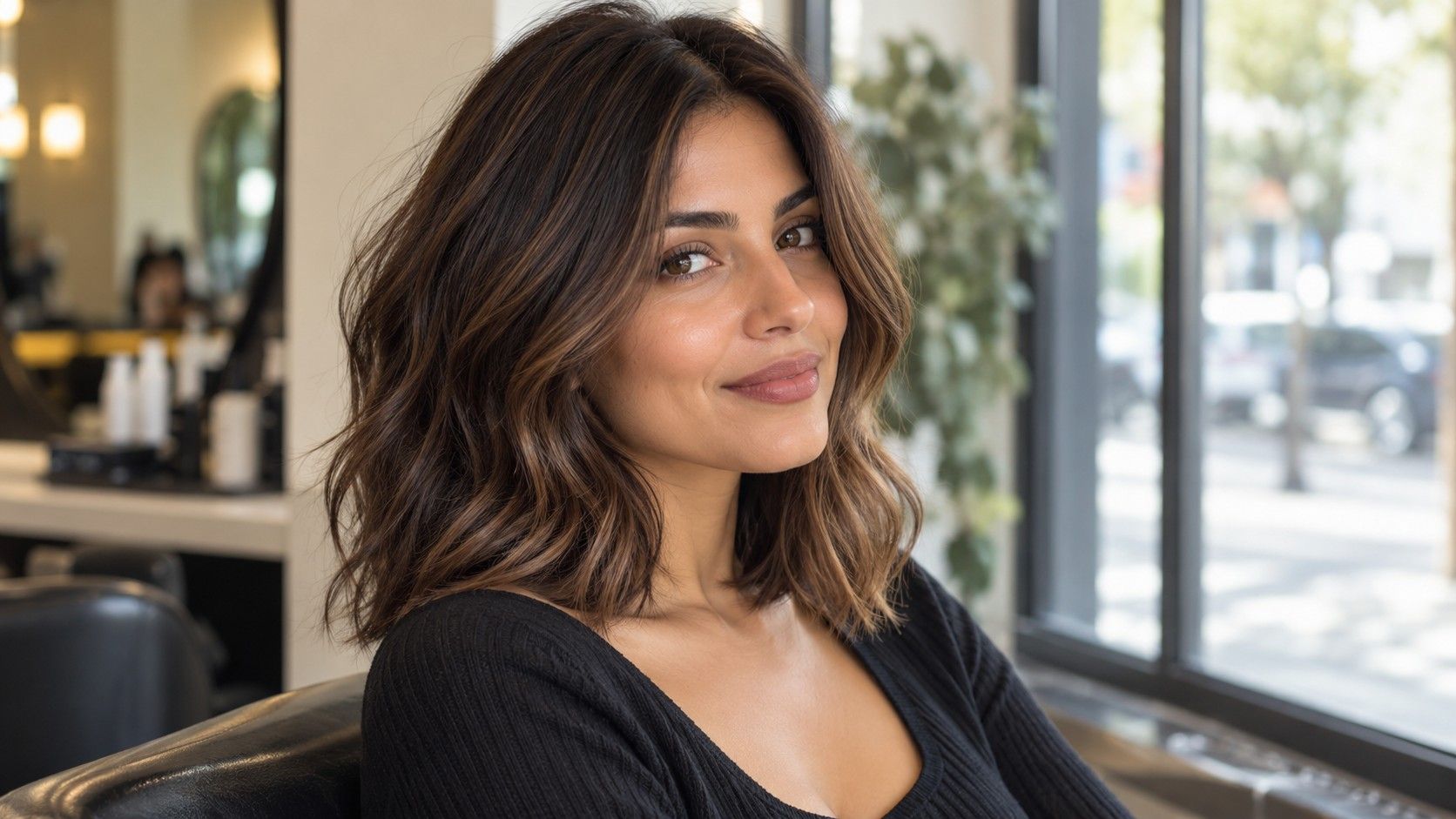
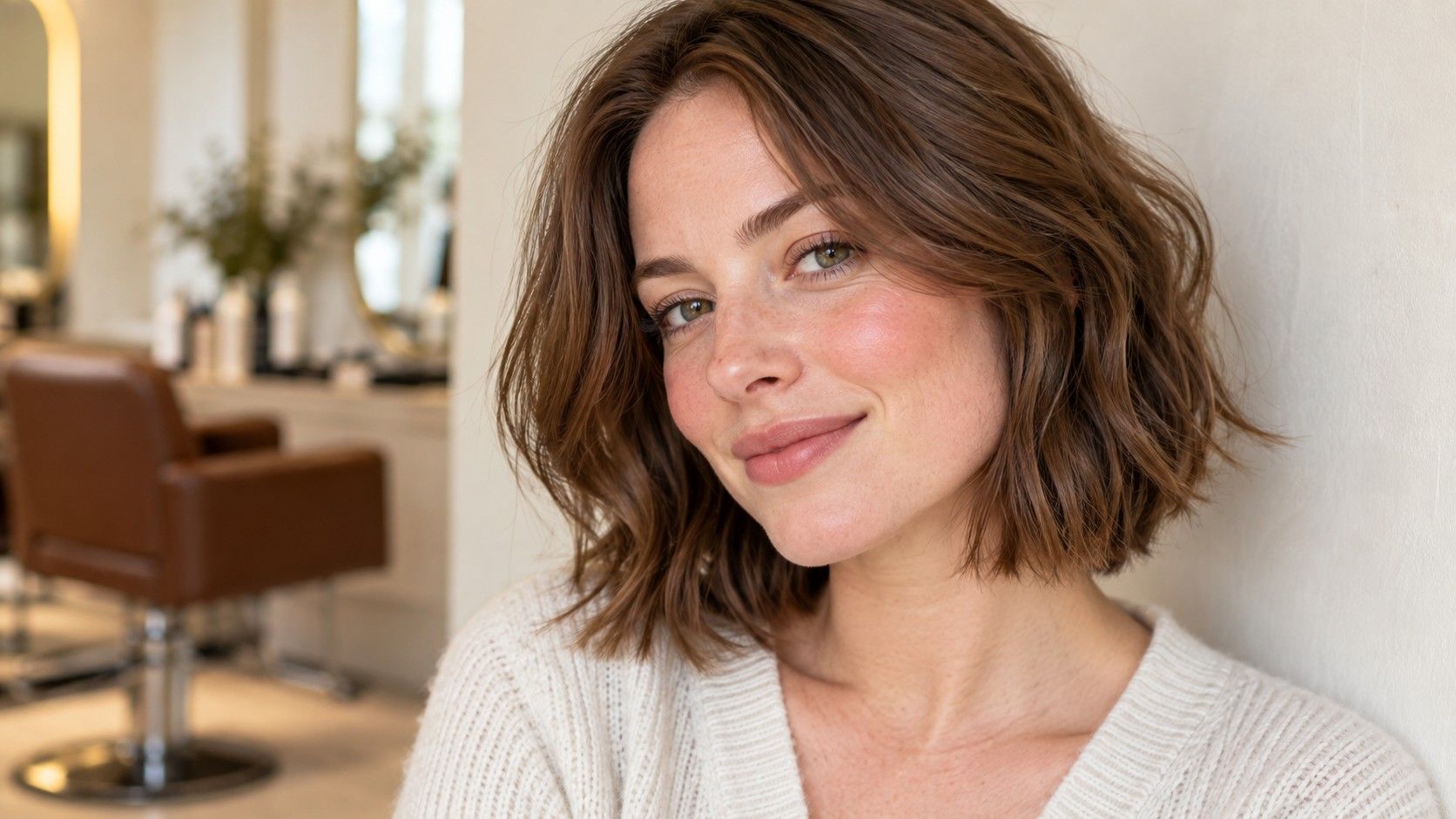
If you like your natural brown or darker blonde, keep a reference that leaves plenty of that base visible. A few lighter sections can change the impression without making the whole head read blonde. Look between the highlights in the photograph. The darker spaces often provide the depth that makes the brighter pieces appealing.
Compare a closely highlighted result with one that has wider gaps between the lighter sections. Both may be described as subtle, yet the first can look much lighter overall. Point out how much of the base you want to retain. This is easier to discuss than saying you want a little brightness and discovering that the phrase means something different to your colorist.
Caramel and golden brown can give a warm direction to brunette hair; neutral beige or cooler brown-blonde pieces create a different impression. Keep the depth comparable when comparing tone. A very pale ash ribbon and a deep caramel ribbon differ in lightness as well as warmth, making it harder to identify the feature you prefer.
The existing color matters here. Previously dyed lengths may not behave like untouched hair, and the reference photograph does not reveal its starting point. Tell the colorist about past work, even if it happened a while ago. A closer-to-base highlight can be a satisfying first stage if a much lighter result is unrealistic for the condition of the hair.
When the face frame is the part you actually care about
A bright hairline can make the whole style feel lighter even when the back stays relatively dark. That is useful if you want a visible change, but it is also where a pale stripe can feel more dramatic than expected. Examine the reference at the temples and forehead rather than judging only the curled ends.
Decide whether you want a clearly recognizable front section or smaller pieces that merge into the rest. A bold face frame can be an intentional choice. For a softer impression, ask how the transition could be made gentler through the first visible sections. The relevant issue is the contrast against your base, not simply how narrow each piece looks.
Try your normal parting during the consultation, then move it if you sometimes wear it differently. The same sections can look balanced in a middle part and uneven when swept to one side. A fringe changes the picture again. Bring a photo with your hair arranged as you usually wear it so the design starts from that real shape.
Pull the hair back as well. Lighter pieces around the face may become much more noticeable in a ponytail or bun, while highlights further back can disappear. If your summer routine mostly involves tied-up hair, that view should have as much weight as the polished down style in your inspiration folder.
When softer roots sound good but the maintenance is unclear
A gradual transition at the root can make highlights feel less abrupt as they grow. However, a soft root in a photograph may be natural depth, carefully spaced highlights or additional root color. Those approaches are not interchangeable. Ask your colorist which one creates the effect you want and what would need attention at a future visit.
Look for reference pictures showing the top of the head. Close crops of the middle lengths cannot tell you whether the brightness begins at the scalp or several inches below it. If a visible darker root is acceptable to you, say how much depth you enjoy. If you dislike a dark band, make that boundary equally clear.
Grey growth adds another consideration. A blended highlight design may soften the contrast in some areas without making every grey hair disappear. Decide whether your priority is brightness, grey blending or fuller coverage, then ask how the proposed plan addresses that priority. A single picture may not answer all three concerns.
I would be cautious about any blanket promise of maintenance-free highlights. Your parting, growth pattern, starting shade and preferences all influence when the result stops looking right to you. Agree on the type of upkeep you can repeat rather than choosing a design because its name sounds effortless.
When beachy blonde is warmer than the color you want
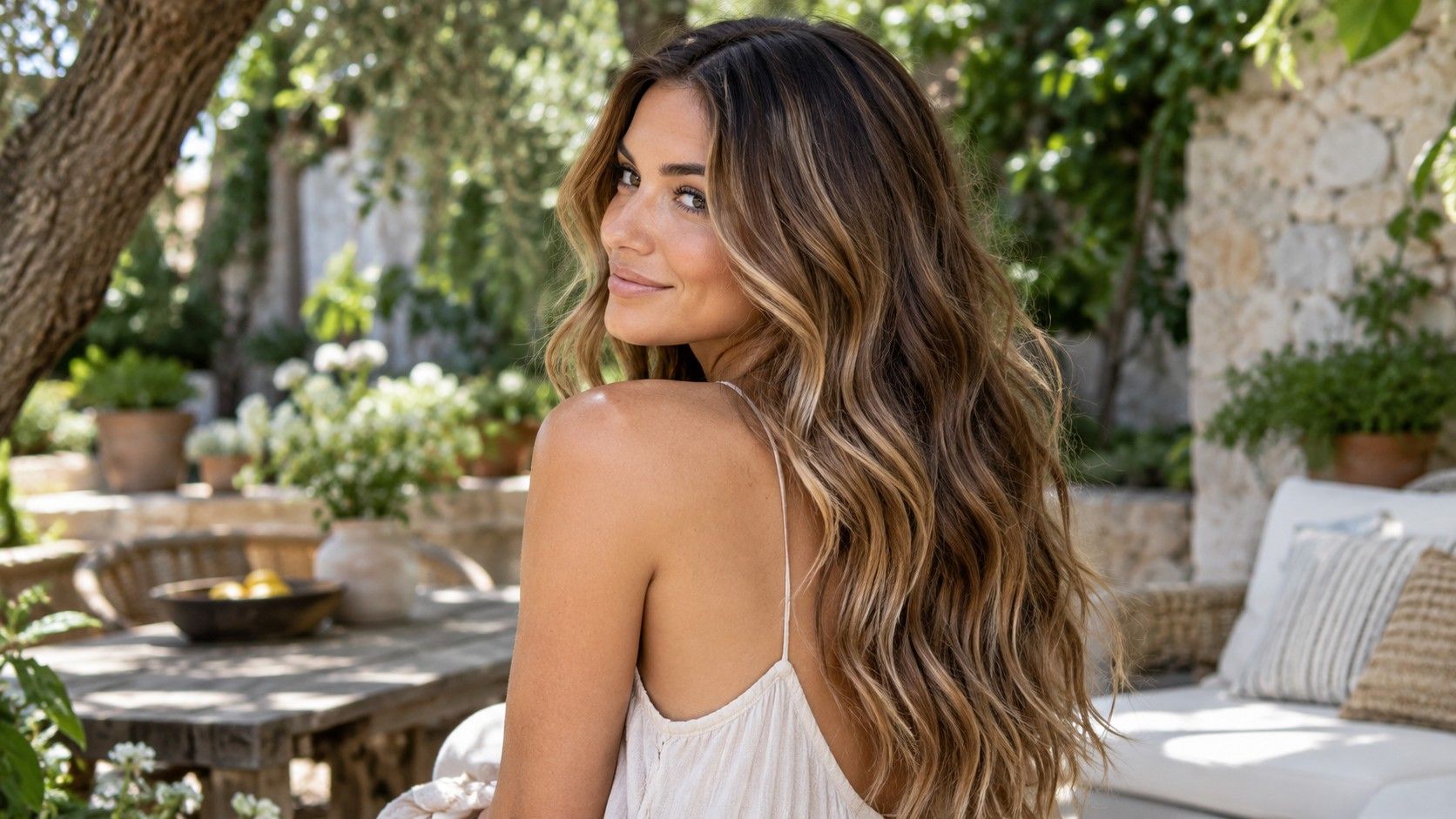
Beach-inspired references often lean gold, honey or pale yellow. If you want a cooler result, compare them with neutral beige and pearly blonde examples at roughly the same depth. Cover the background or crop out clothing when possible. Warm sand, a tan and sunset lighting can make the entire image feel golden regardless of the actual hair color.
For a Summer seasonal palette, you may prefer a cooler or more subdued direction, but the label does not settle the decision. A softened neutral blonde may appeal more than a distinctly silver finish. Use the framework to describe the effect you want, then judge the references beside your own face.
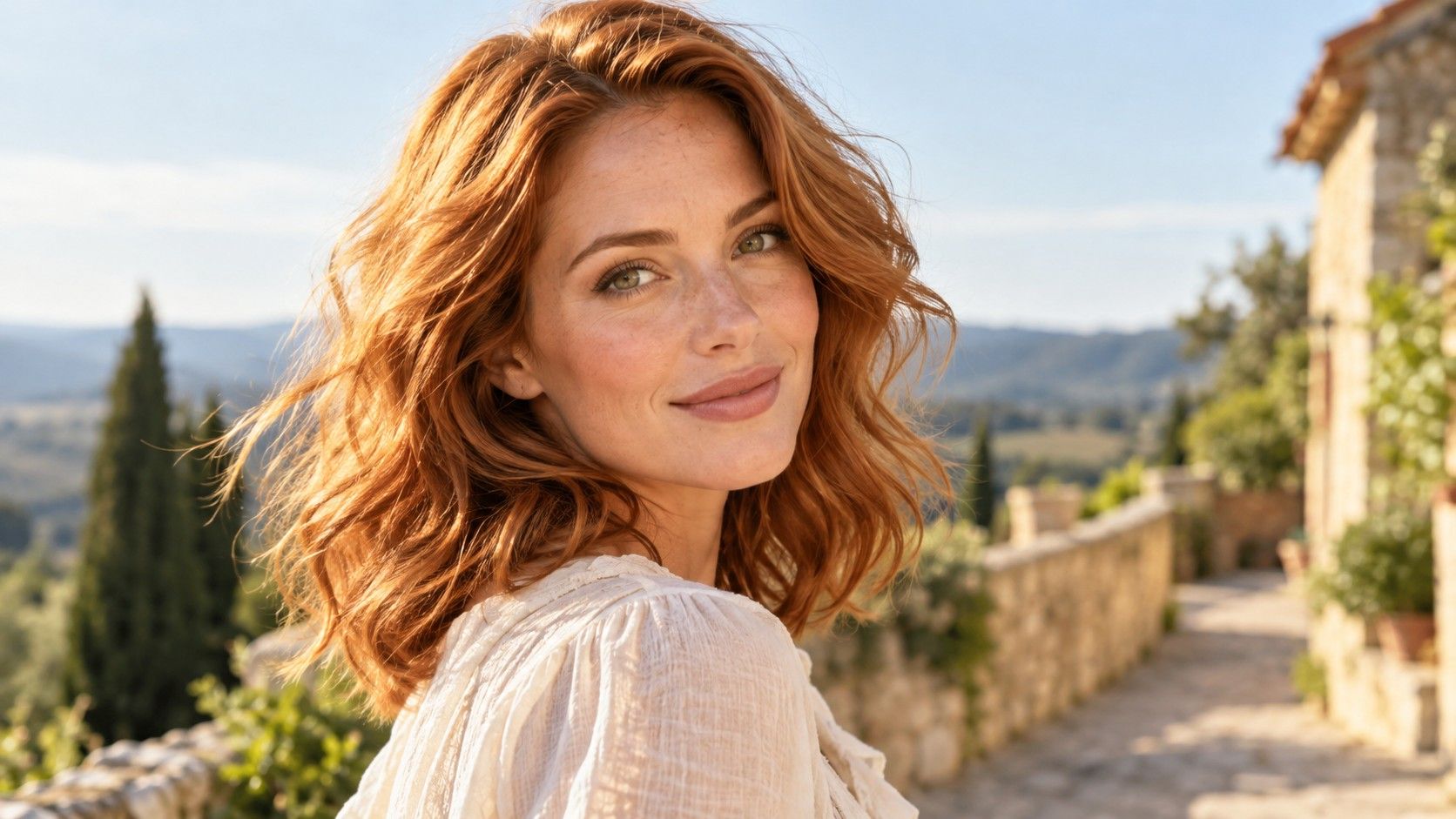
Copper highlights can also be a summer style choice when the word refers to the time of year. A warm copper ribbon through brown is a different idea from a cool seasonal palette, and it is useful to say which meaning you have in mind. There is no need to force a warm color you love into a palette category before discussing it.
Bring one example that is too warm and another that is too grey. These boundaries give the colorist a clearer target than “not brassy.” Color words vary between people and salons. A picture plus a short explanation of the unwanted reflection usually makes the intended direction easier to understand.
When your texture changes the highlight pattern
Large waves in a reference spread lighter pieces across the surface, showing more dimension than the same hair might show straight. Curls can gather those pieces into distinct sections; layers can break them up. Choose at least one photograph with a similar texture and haircut before deciding that a placement will translate directly.
On straighter hair, a strong difference between the base and the highlights may look more linear. If that is not the effect you want, ask about the spacing and the size of the visible sections. On a curl pattern, discuss how the lighter areas will sit through the shape rather than treating the hair as a flat sheet.
Density and length also change what is visible. A bright lower layer might barely appear through thick hair worn down but become prominent when the hair is clipped up. Light ends can be more obvious on a longer cut and disappear after a substantial trim. Mention any planned haircut before the placement is settled.
The most useful test is a normal styling day. Tell the colorist whether you air-dry, straighten, wear a bun or create waves regularly. You do not need to promise a new styling routine to justify the color. The design should make sense in the version of your hair that appears most often.
When a holiday date is driving the appointment
Leave room to assess a significant change before an important trip or event. A new blonde can feel unfamiliar at first, and the first salon photograph will not tell you how it behaves in your routine. Ask the salon how far ahead it makes sense to schedule the work, particularly if the proposed change may need stages.
Discuss swimming, time outdoors and your usual washing routine before choosing the final tone. These are relevant to the color’s care, but no one can promise that a cool or copper finish will remain unchanged throughout a holiday. Ask for aftercare appropriate to the work and follow the directions on any recommended product.
Avoid treating an online toner or color-depositing shampoo as a guaranteed rescue plan. Products vary, and previously lightened areas may respond differently. If a specific reflection worries you, discuss that concern before the appointment and ask what a suitable follow-up would involve. The useful plan is individualized rather than based on a generic contact time.
Finish the consultation with a small, clear request: the base depth to preserve, the brightness around the face, the tone of the lighter pieces and the root transition you can live with. Summer hair colors with highlights become easier to choose when those decisions are explicit. You can enjoy the seasonal change without copying every detail of a sunlit inspiration picture.