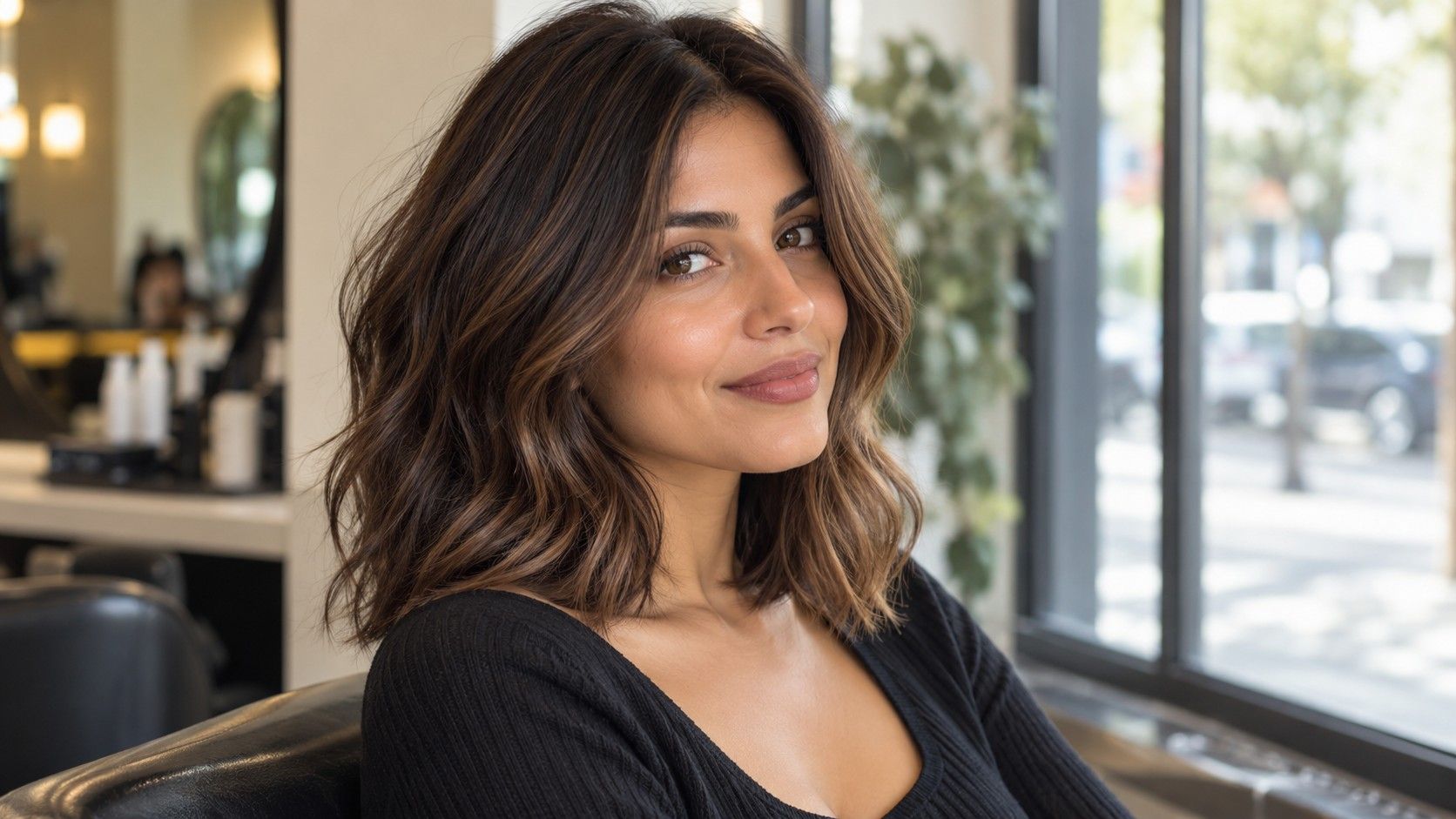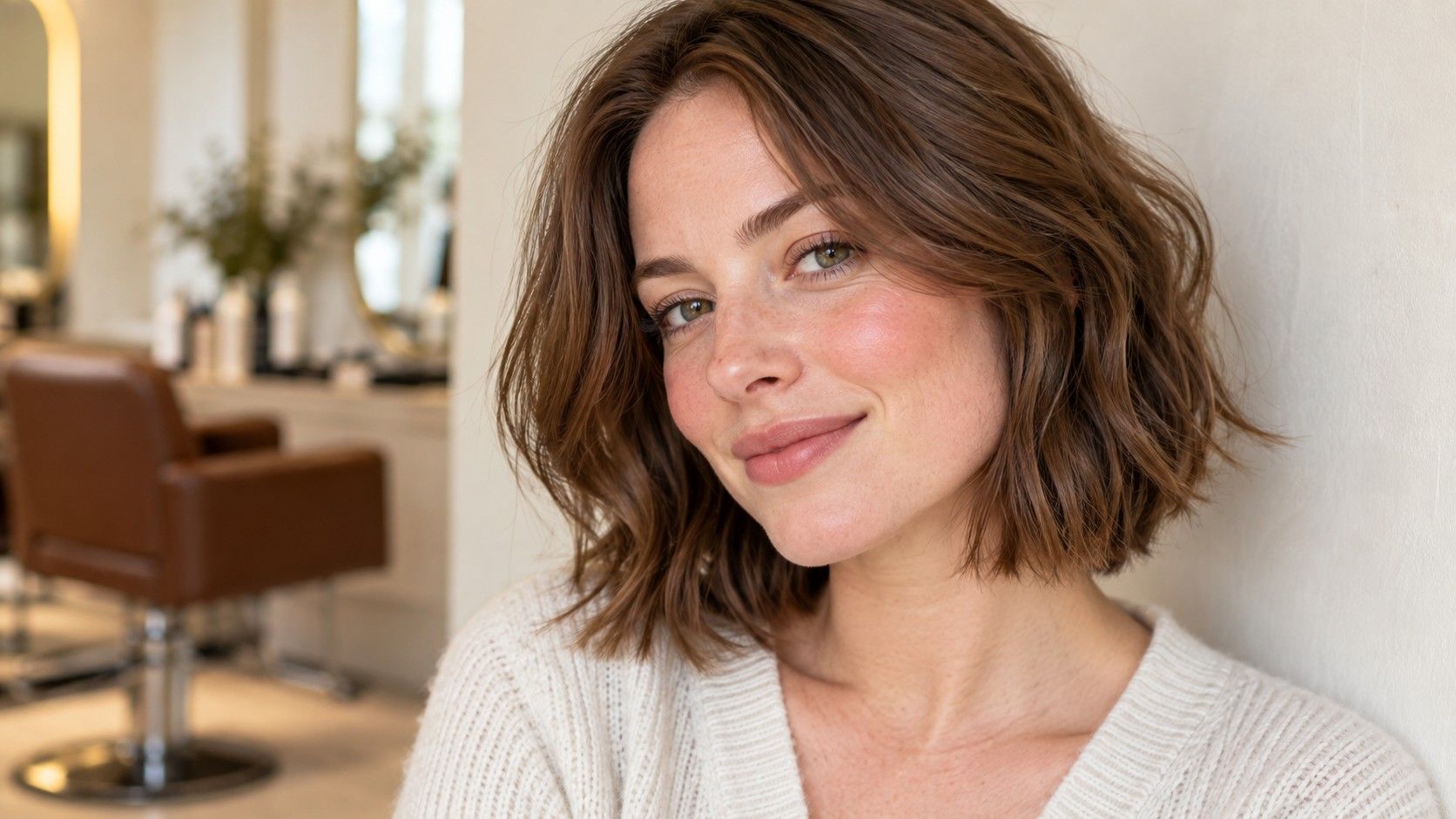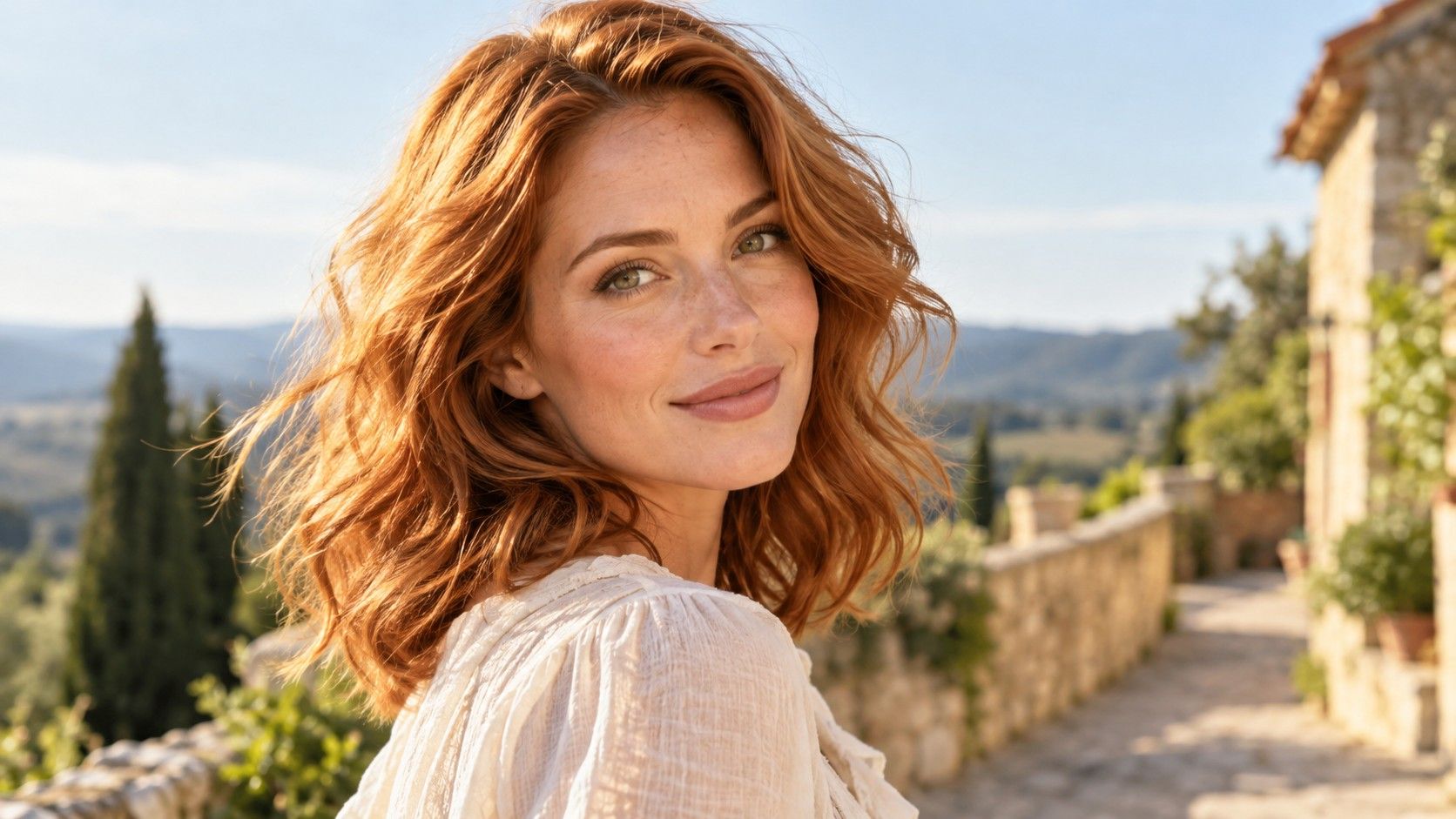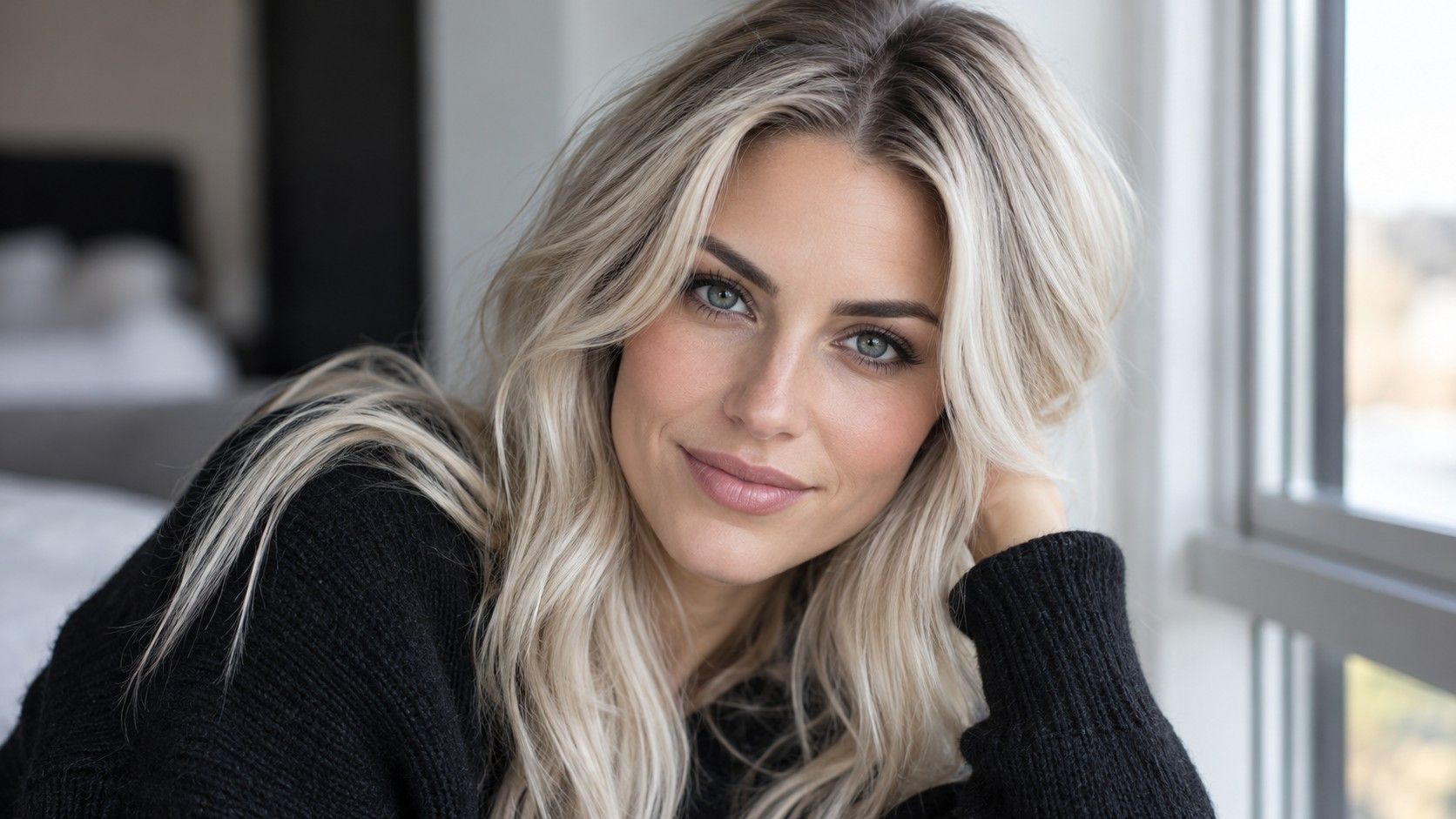
Blonde can be an appealing change when you enjoy the crisp colours associated with True Winter, yet making dark hair much lighter changes more than warmth. It also changes the frame around your eyes and skin. Use the seasonal label as a styling reference, then compare blonde depth, placement and upkeep against your actual starting hair.
When a seasonal palette seems to rule out the colour you want
In many seasonal colour systems, True Winter is described through coolness, clarity and noticeable contrast. These are styling conventions, not a medical classification or an instruction that everyone using the label must keep dark hair. Different analysts and systems can draw the boundaries differently. If you like blonde, the useful question is what happens to your preferred contrast when you wear it, rather than whether the category gives permission.
Look at photographs where you like your overall appearance and identify the part that matters. Is it the dark outline around the face, the cool tone of the hair, or the strong difference between eyebrows and skin? Those are separate features. A very pale blonde may keep a cool impression while removing the dark outline. You might enjoy that change, but it is worth seeing it clearly before a major lightening appointment.
Keep clothing in the comparison. A bright blue top or black jacket can supply some of the contrast that darker hair once provided. Compare the blonde with clothes you genuinely wear, including a casual top and your everyday coat. There is little value in finding a shade that looks convincing only in a carefully styled portrait you would never recreate.
Compare a cool blonde with a neutral one at the same depth
For True Winter blonde hair ideas, pearl, icy and ash references often appear first. They can offer a crisp look, but the names do not tell you how pale or grey the hair will be. Choose a neutral blonde and a cooler blonde that are similar in lightness. Otherwise, you may decide you prefer ash when what you actually prefer is the extra depth in that photograph.
Use indirect daylight and include your face in the comparison. A very grey blonde can look elegant on a swatch and subdued beside skin. If the cool reference makes the area around the mouth look dull, compare a less grey neutral version. If the neutral looks distinctly golden and you dislike that warmth, bring that observation to the colourist. The goal is a specific visual direction, not the coldest possible colour.
Photographs can exaggerate coolness through editing and white balance. Look for another image of the same shade in different lighting, especially one showing the roots. A digital preview can suggest how pale hair changes the shape of the frame, but it cannot establish which toner or process would produce that effect on your current hair. Treat the screen as a comparison aid.
If all-over pale blonde removes definition
When the hair becomes close to the skin in lightness, the face may feel less framed. Dark eyebrows and eyes can remain expressive, but the overall arrangement changes. Compare an all-over pale blonde with a deeper blonde before deciding the whole colour family is wrong. A small increase in depth around the hairline may preserve enough definition to make the lighter result feel more comfortable.
A root shadow or a darker base with blonde pieces offers another direction. The effect depends on placement: highlights beginning beside the forehead create a different frame from brightness concentrated through the ends. Ask for images with a similar parting and haircut. Long waves can soften the transition between dark and light, while a straight bob may show the same placement as a more obvious pattern.
Try looking at the reference from conversational distance. Close selfies focus on the eyes and can crop away the hair shape, making a dramatic colour seem less different than it is. A full view in a mirror shows whether you like the larger light area around the face. You can choose a softer appearance even if it departs from your familiar seasonal styling.
If you want blonde brightness while keeping a dark frame
Keeping some natural depth can make the first move toward blonde easier to judge. A darker root with cool or neutral brightness through the lengths preserves a visible outline near the scalp. Alternatively, a few lighter sections can introduce the colour without replacing the entire brunette base. Neither approach is automatically low maintenance; the position of the light pieces and the contrast with the roots matter.
Say where you want brightness to be visible. If you wear your hair tied back, light pieces at the temples may be the main feature you see every day. If you usually wear it down with a deep side part, the top section may matter more. Bring a photograph in your normal hairstyle, rather than relying entirely on a salon finish with loose curls.
Ask the colourist to show the difference between a soft blend and a deliberately strong dark-to-light contrast. Both can be attractive, but they communicate different things. A bold contrast may fit your taste for clear winter colours; a subtle blend may feel easier with your wardrobe. There is no need to describe one as more correct for your season. Choose the pattern you would like to live with.
Before lifting dark hair, check what is already on the lengths
A dark natural base and a dark dyed base are different starting points. Old colour can remain in the lengths after the visible shade has faded, and previously lightened sections may behave differently again. Tell the colourist about dye, lightener and colour-removing services, including home use. A photograph of the desired blonde does not provide that history, and a seasonal label supplies none of it.
Ask whether a strand test would help establish the achievable lightness and condition. It may reveal that your preferred result needs stages, or that a deeper blonde is more realistic for now. No skin-tone analysis can predict how evenly the hair will lift or whether the lengths can tolerate a proposed service. That assessment belongs to the hair in front of the colourist.
Discuss the colour you may see between appointments. A cool finish can change as the hair is washed, and warm reflections may become more noticeable. Ask for a routine suited to the actual result rather than choosing toning products by the word ash on the reference photo. Follow professional and product instructions; more pigment is not automatically a better answer to every unwanted tone.
Choose the blonde plan you can recognise a month later
Set your maintenance limits before choosing the palest option. Consider the root line, colour appointments and the condition of the ends alongside the fresh finish. A darker root can soften some regrowth transitions, but its effect depends on the placement and your natural colour. Ask how the proposed result will change over time and which part will need attention first.
Bring two preferred references and one rejected one to the consultation. Explain the rejection in concrete terms: too grey at the front, too yellow through the lengths, or too little definition around the eyes. This is more useful than asking for a perfect winter blonde. Keep the depth, tone and placement discussions separate long enough to understand what each contributes.
The finished choice might be a clear pale blonde, a deeper neutral-cool blonde or a dark base with selective brightness. Check it with your normal clothes in daylight and keep an unfiltered photograph for future decisions. True Winter can help describe a style you enjoy. It does not replace your preference, the condition of your hair or the practical work needed to maintain the shade.