A hair-colour quiz can make an overwhelming choice feel manageable, especially when every reference photograph seems attractive for a different reason. Use the result as a shortlist to test. A few answers about skin, eyes and style cannot predict the dye result on your hair, but they can help you ask better questions before an appointment.
Start with the change you actually want to see
Before answering questions about undertones, decide what prompted the search. Do you want a brighter face frame, softer regrowth, a darker outline or a colour that feels visibly new? These goals lead to different choices. Someone who likes their natural brunette but wants dimension does not need the same recommendation as someone hoping for a dramatic all-over blonde. Write the goal in one plain sentence.
Then choose the size of the change you are willing to make. Staying close to your current depth, shifting several shades and moving to a vivid colour are different commitments. A quiz that asks only which celebrity hair you admire may miss this entirely. You can enjoy a reference without wanting the maintenance, contrast or process that comes with it.
Keep a current unfiltered photograph beside the results. It should show the roots and lengths in ordinary daylight, ideally with your everyday hairstyle. This anchors the exercise to the starting point. A recommendation can sound persuasive in isolation, yet become less appealing when you see the distance between that polished image and the hair you have today.
Answer appearance questions without forcing a category
If a quiz asks whether your skin is warm, cool or neutral and you are uncertain, use an uncertain option where one exists. Vein colour, jewellery preferences and tanning behaviour do not reliably settle every undertone question on their own. Surface flushing, lighting and makeup can also change the impression. Forcing an answer can give the final result an authority the original observation never had.
For eye and natural hair colour, use what you can see rather than a flattering description. A dark dyed brown is not necessarily your natural base, and hazel eyes can appear different under warm light. If possible, refer to the roots and a daylight image. The purpose is a useful comparison, not a score you need to improve through carefully chosen answers.
Colour categories also leave out important differences. Two people may both select brown eyes and medium skin while having quite different contrast, hair texture and tastes. Treat a broad result such as warm brunette as a family to explore. It is not a precise salon formula and it cannot guarantee that every caramel, chestnut or chocolate reference will have the same effect.
Turn one quiz answer into three testable references
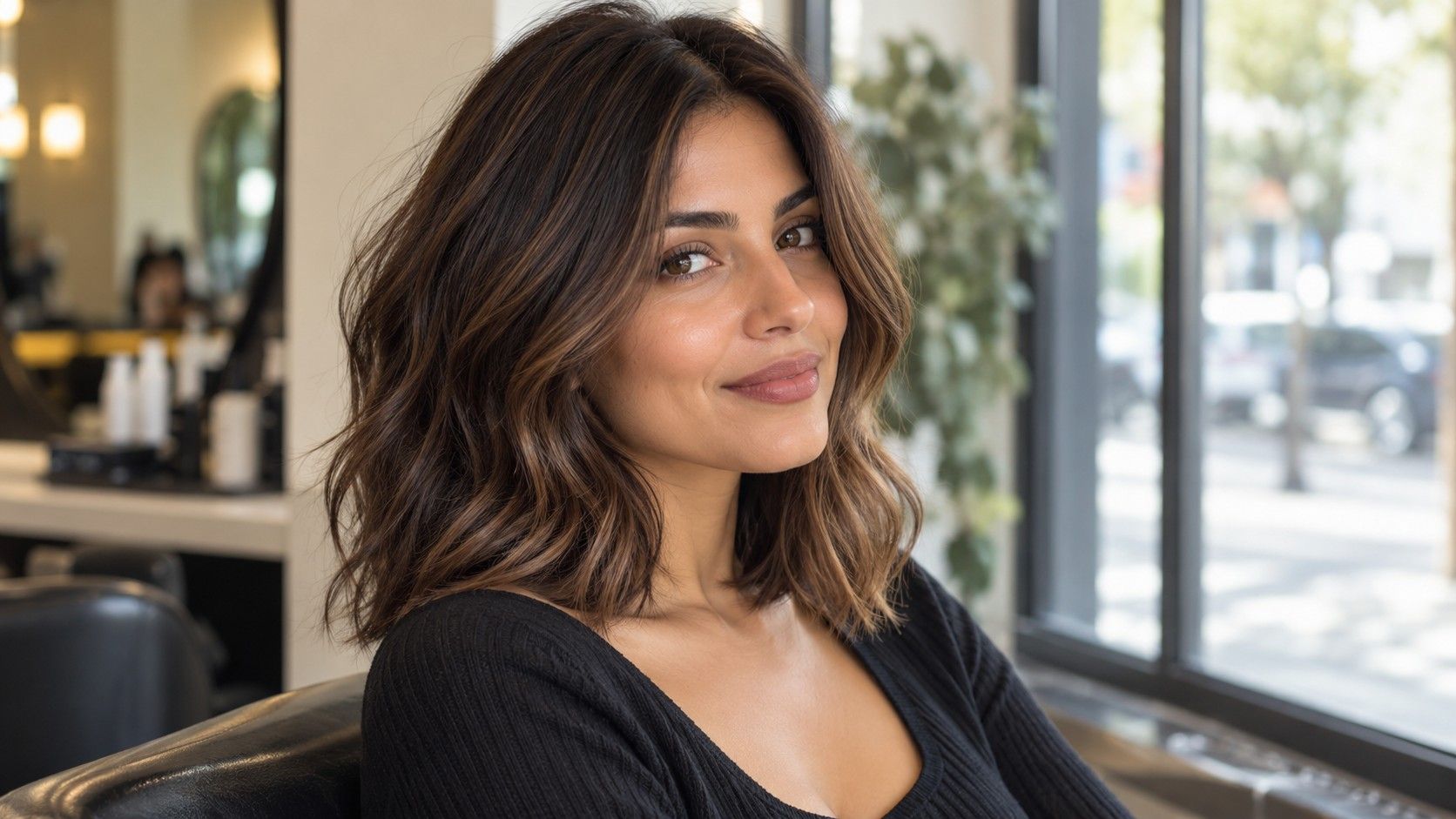
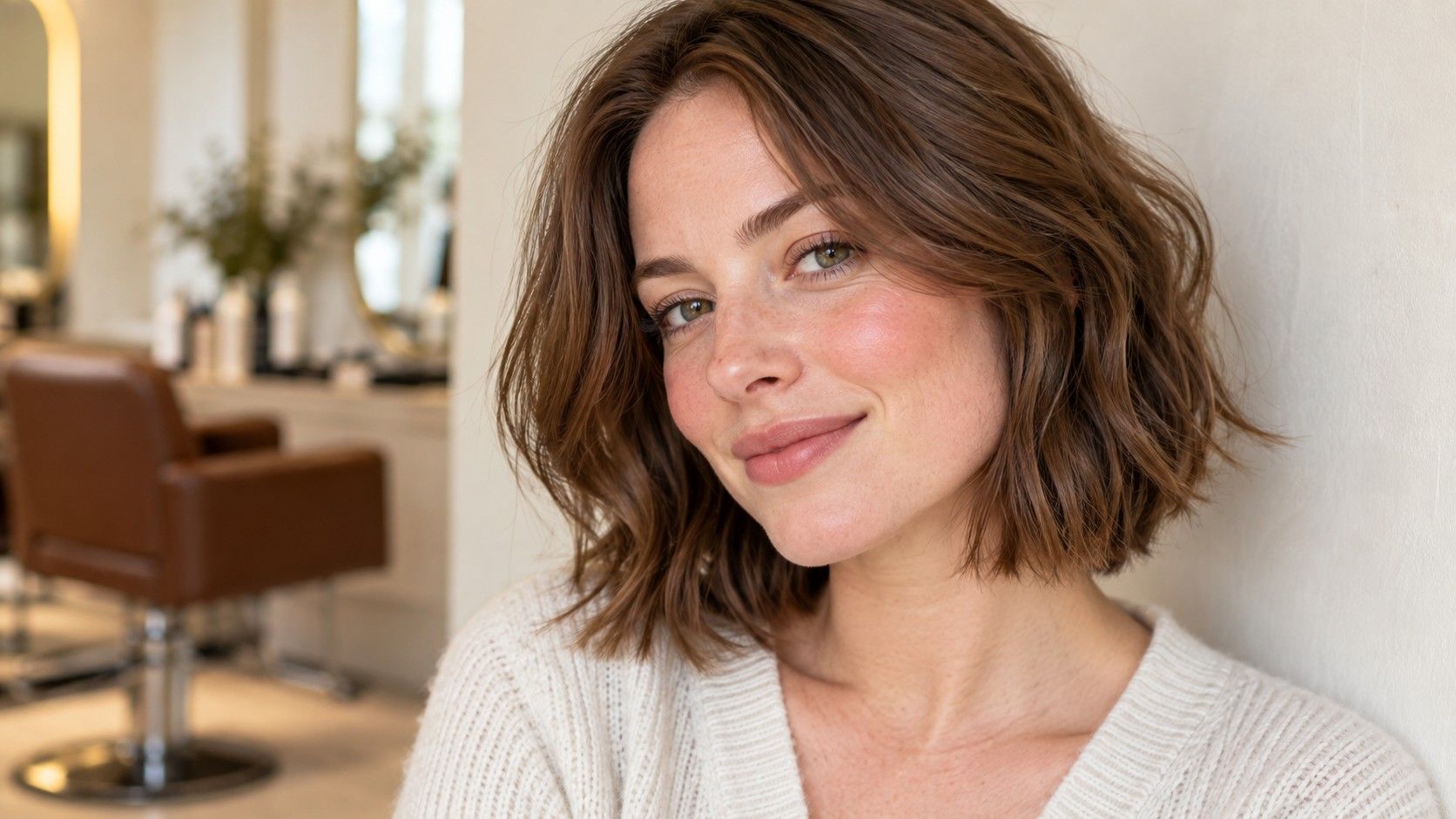
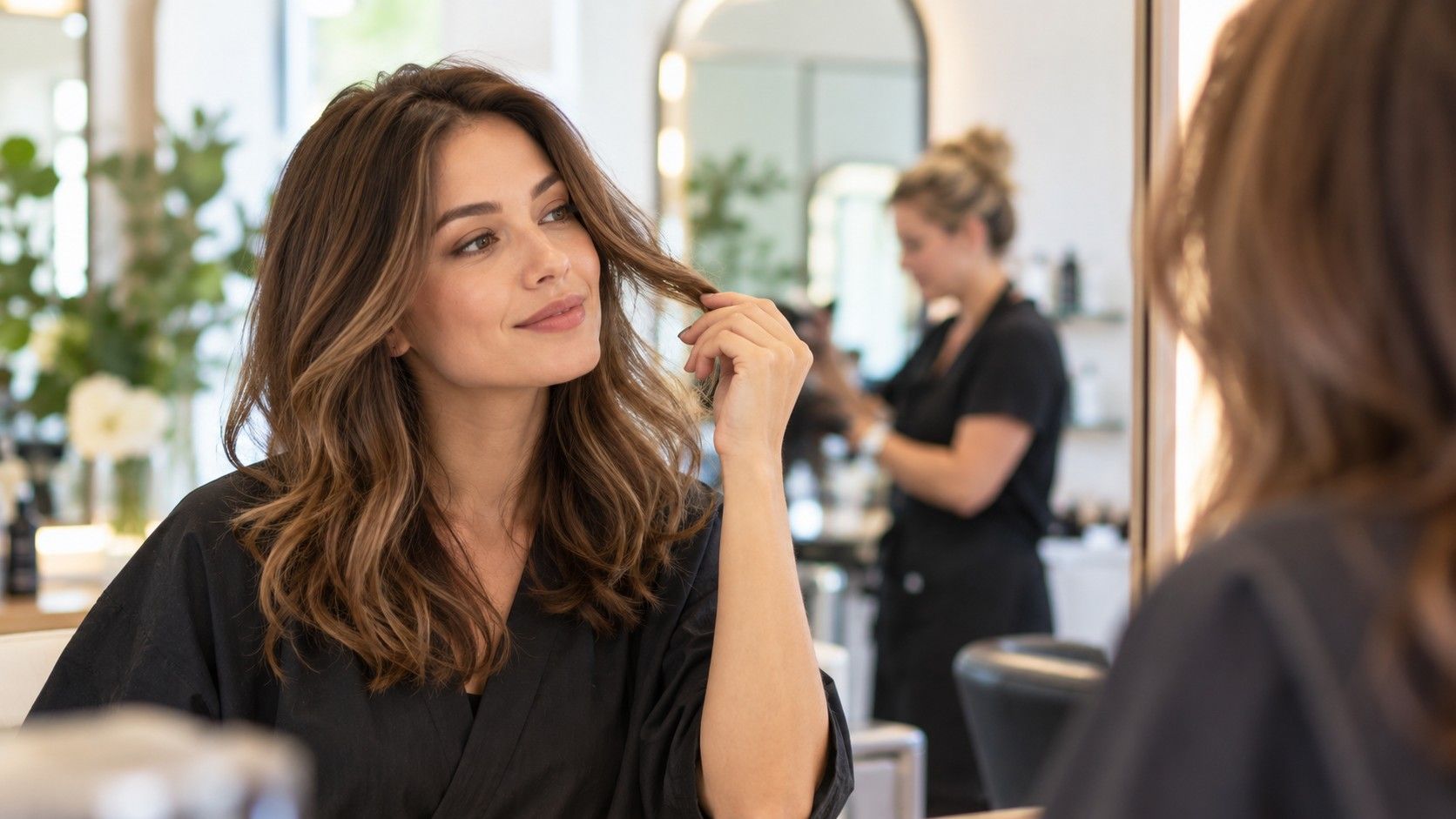
When a what hair color suits me quiz gives you a broad recommendation, collect three examples within that direction. For brunette, compare a neutral version, a slightly warmer version and a slightly cooler version at similar depths. For blonde, begin with lightness: a dark blonde, a medium blonde and a pale blonde may help you see which amount of brightness you prefer before narrowing the tone.
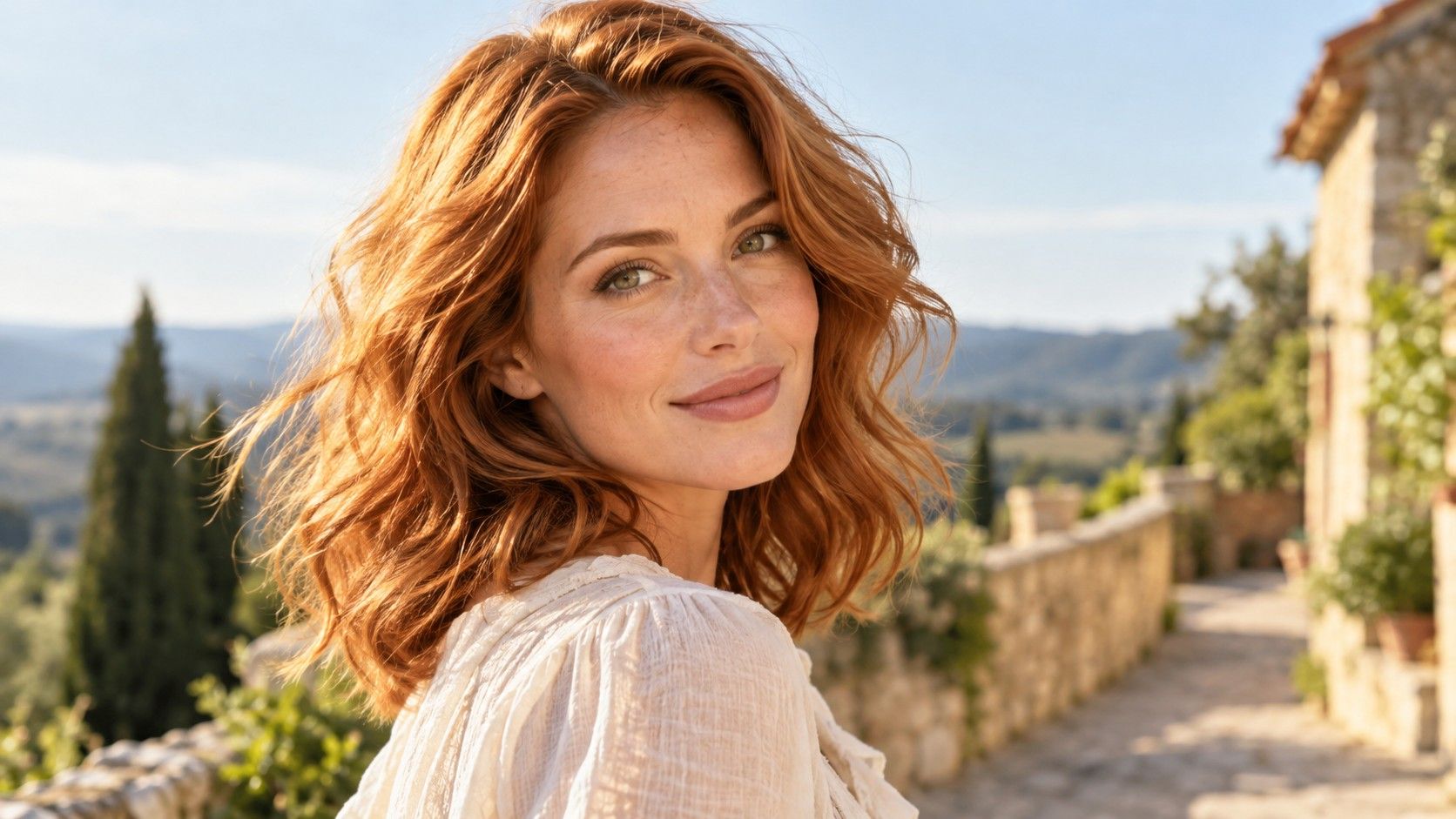
Make the pictures comparable. Similar lighting, haircut and styling reduce the distractions. A backlit photograph can make brown hair look golden, while curls can blend highlights that would appear more distinct on straight hair. Look for an everyday view with visible roots as well as the polished image. This is where many appealing reference colours become easier to understand.
Write one specific observation under each image. “Like the depth, dislike the orange front” is useful. “Looks expensive” does not explain which part you want reproduced. Keep one rejected reference too, because the detail you dislike may be easier to describe than the exact colour you love. These notes will make the consultation more focused.
Use a virtual preview to judge the frame around your face
A preview can help you notice whether dark hair gives the definition you want or pale hair makes the outline feel softer. Use a clear photograph with hair visible around the forehead and jaw. Keep the original image available and compare one change at a time. If you also alter the makeup, skin smoothing or lighting, it becomes difficult to know what caused the improvement.
Look at placement as well as the overall shade. A light face frame, pale ends and all-over blonde create different patterns even if the colour itself seems similar. If a preview fills the whole hairstyle with one flat tone, it may be less useful for evaluating highlights. Do not read extra precision into a smooth overlay that does not show the way individual strands reflect light.
A screen cannot establish the dye outcome. Camera exposure, display settings and the existing colour underneath all affect the comparison or the real service. Use the preview to narrow the visual direction, then take the preferred and rejected images to a colourist. A good-looking digital result answers whether you like an idea; it does not answer how your hair will achieve it.
Check the result against time, regrowth and hair history
A quiz may recommend a colour that fits your visual preferences but clashes with your routine. Decide how often you are willing to return for colour services and how visible you are comfortable letting roots become. A strong contrast between natural roots and the chosen shade may matter more than a small difference between warm and cool. Ask how the proposed placement will look as it grows.
List the colour history on the lengths, including old lightening and home dye. A section that looks brown today may have been blonde beneath later pigment. That history can affect evenness, condition and the route to a new colour. No multiple-choice quiz can reliably reconstruct it from a current photograph. Bring the information to the appointment even if the most recent service was a long time ago.
Ask what will happen as the fresh tone fades. Will warmer reflections become visible, will the brightest pieces need separate attention, and which parts of the result are realistic to keep between visits? These questions turn a flattering idea into a practical choice. They can also reveal that a smaller change would deliver the part you wanted without the full commitment of the reference.
Take a clear request to the colourist
Your final request can fit on a phone screen: the change you want, two or three references, one disliked example and your maintenance limit. Explain the detail in each picture rather than leading with the quiz verdict. “I like a neutral brown at this depth with a softer front” gives the colourist more to assess than “the quiz says autumn brunette.” Seasonal or undertone labels can remain background context.
Ask the colourist to assess feasibility and explain any tradeoffs before the service. A strand test may help with uncertain colour history or a significant change, and allergy precautions should follow salon and product instructions. Avoid treating the quiz result as evidence that a particular process must work. The hair condition and existing pigment need their own assessment.
If the recommendation still feels vague, choose a smaller comparison rather than collecting another dozen quiz verdicts. Test two depths near your current shade or compare warm and neutral versions of one family. You are finished when you can explain the look you want and the upkeep you accept. The useful result is a confident shortlist, supported by real comparisons, rather than a single colour presented as your inevitable match.